Hollow Shaft Description
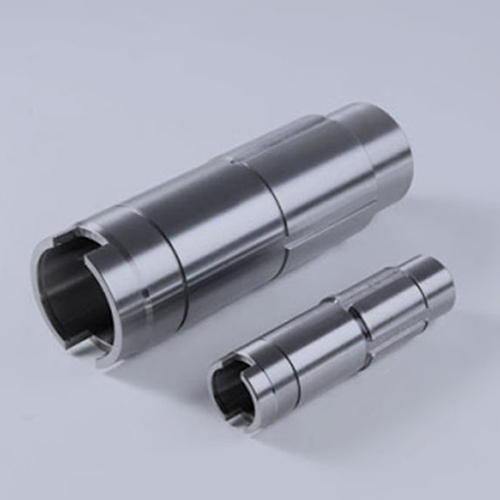
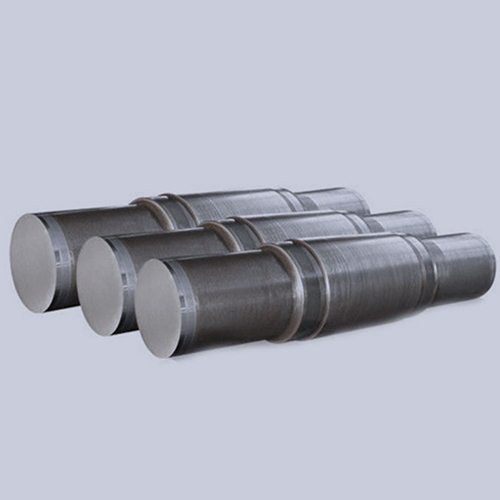
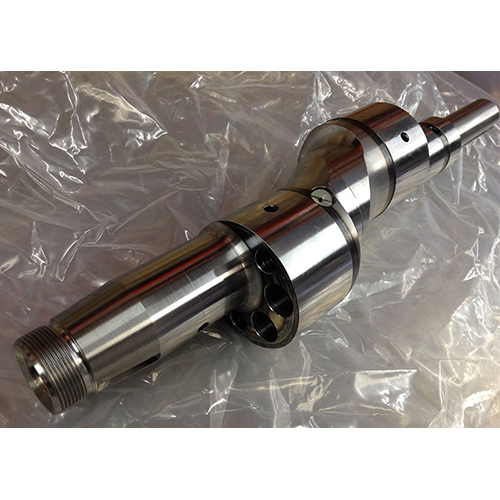
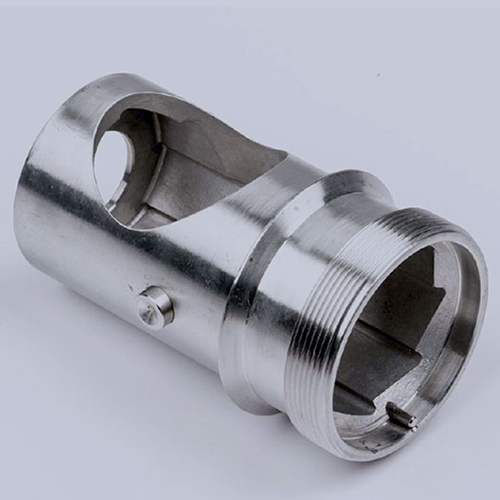
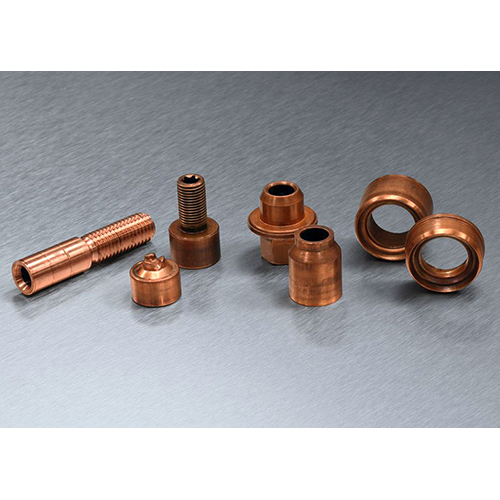
Hollow Shaft is a precision-engineered cylindrical mechanical component featuring a hollow center, designed to transmit torque and rotational motion while reducing overall weight without compromising strength. Manufactured from high-quality alloy steel, stainless steel, carbon steel, or other engineering materials, hollow shafts offer an excellent strength-to-weight ratio, improved efficiency, and enhanced performance in demanding industrial applications. They are widely used in automotive, aerospace, machinery, power transmission, and heavy engineering industries.
Key Features
- Lightweight with high strength and rigidity.
- Excellent torque transmission capability.
- Precision-machined with tight dimensional tolerances.
- Superior wear, fatigue, and impact resistance.
- Heat-treated for increased hardness and durability.
- Reduced rotational inertia for improved efficiency.
- Available in custom sizes, materials, and finishes.
Materials Used
Common materials include:
- Alloy Steel
- Carbon Steel
- Stainless Steel
- EN8 Steel
- EN19 Steel
- EN24 Steel
- SAE 4140
- SAE 4340
Applications
- Automotive transmission systems
- Industrial machinery
- Electric motors and gearboxes
- Pumps and compressors
- Textile and packaging machinery
- Aerospace equipment
- Material handling systems
- Power transmission assemblies
Advantages
- Lower weight compared to solid shafts.
- High strength-to-weight ratio.
- Efficient torque transmission.
- Reduced vibration and rotational inertia.
- Improved energy efficiency and machine performance.
- Long service life with minimal maintenance.
Summary:
A Hollow Shaft is a lightweight, high-strength mechanical component designed to efficiently transmit torque and rotational motion while reducing overall weight and improving performance. Its durability, precision, and excellent strength-to-weight ratio make it ideal for automotive, industrial, aerospace, and power transmission applications.

 Send Inquiry



 Send Inquiry

 Send Inquiry